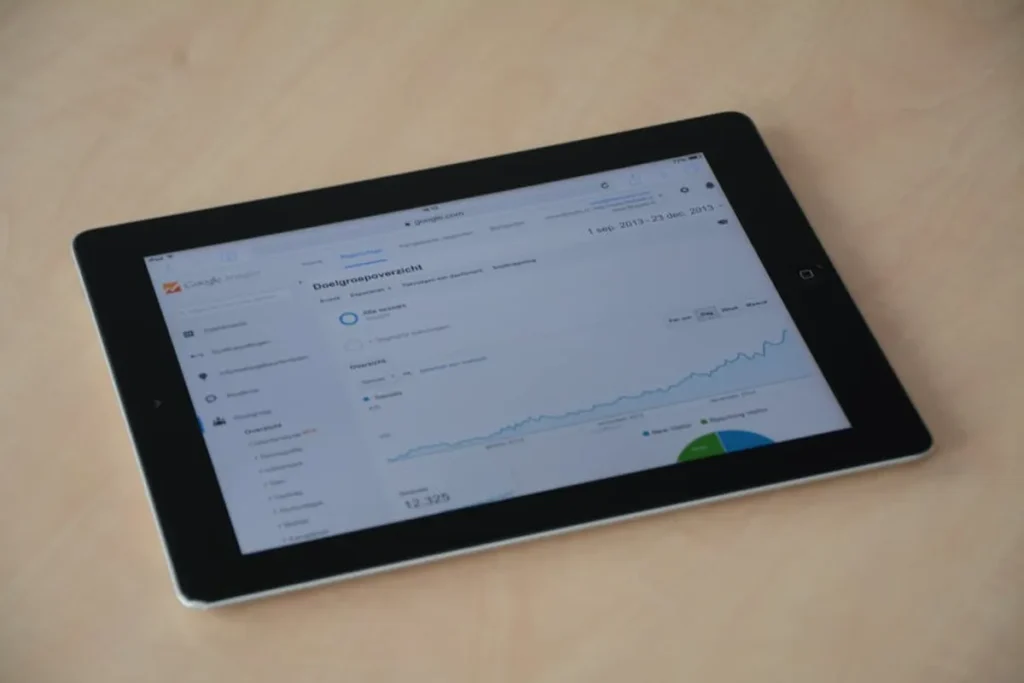
SERP position tracking quantifies a website's organic visibility for specific keywords, providing a direct measure of SEO effort efficacy. For SEO professionals, marketers, and site owners, this isn't merely a reporting exercise; it's a critical feedback loop that informs content strategy, technical optimizations, and competitive analysis. Understanding the nuances of position tracking allows for precise resource allocation, ensuring that investments in SEO translate into measurable gains in search engine results page (SERP) performance and, ultimately, business objectives. This deep understanding of SERP position tracking allows for precise resource allocation, ensuring that investments in SEO translate into measurable gains in search engine results page (SERP) performance and, ultimately, business objectives, so make sure you grasp the core concepts of SERP position tracking.
Establishing Foundational Tracking Parameters
Effective SERP position tracking begins with precise parameter definition. The core objective is to monitor the positions of your target keywords across relevant search engines and geographical locations, providing actionable data rather than just raw numbers.
- Target Keywords: Prioritize keywords based on search volume, commercial intent, and current ranking difficulty. Include a mix of head terms, mid-tail phrases, and long-tail queries to capture a comprehensive view of your organic footprint.
- Search Engine Specificity: Track positions on Google, Bing, and other relevant engines like DuckDuckGo or Yandex, particularly if your audience or market share dictates it. Google remains primary for most, but neglecting others can obscure opportunities.
- Geographical and Language Targeting: If your business operates regionally or internationally, define specific locations (city, state, country) and languages for tracking. A #1 ranking in New York City for "best coffee shop" is distinct from a #1 ranking in London.
- Device Type: Mobile and desktop SERPs often differ significantly due to varying algorithms, local packs, and featured snippets. Tracking both provides a complete picture of user experience and visibility.
Interpreting Position Data Beyond Raw Numbers
A simple rank number offers limited insight. The true value of position tracking emerges when contextualized with other metrics and SERP features. Focus on these elements to extract meaningful intelligence:
Understanding Average Position and Distribution
An average position metric aggregates all tracked keywords, offering a high-level view of overall organic performance. However, dissecting this average is crucial. A site might have an average position of 10, but this could mean 50 keywords at #1 and 50 keywords at #19, or 100 keywords consistently at #10. Analyzing the distribution of rankings across different position bands (e.g., top 3, top 10, top 20) reveals the true health of your keyword portfolio. A high concentration of keywords moving into the top 3 indicates strong content authority and relevance for high-value terms.
Tracking SERP Feature Inclusion
Modern SERPs are rich with features like featured snippets, local packs, image carousels, video results, and People Also Ask (PAA) boxes. Securing a position within these features can drive significantly more clicks than a standard organic listing, even if the organic rank is lower. Position tracking should identify when your content appears in these features, allowing you to optimize specifically for them. For example, winning a featured snippet for a long-tail query can bring substantial, qualified traffic.
Pro Tip: Do not solely focus on numerical rank increases. A move from organic position #5 to #8 might seem negative, but if that #8 position now includes a prominent video carousel or a direct answer box you control, the visibility and click-through potential could be higher.
Monitoring Competitor Performance
Position tracking is inherently competitive. Monitoring competitor keyword rankings reveals their strategic focus, content strengths, and areas where they are gaining or losing ground. This data allows you to:
- Identify new keyword opportunities they are targeting effectively.
- Benchmark your performance against industry leaders.
- Uncover content gaps or technical deficiencies on your site by observing where competitors consistently outrank you.
- Anticipate shifts in market share based on organic visibility changes.
Strategic Applications of Position Tracking Data
Beyond reporting, position tracking data fuels strategic SEO decisions. It moves SEO from a reactive task to a proactive, data-driven discipline.
Content Strategy Refinement
Position data directly informs content creation and optimization. For keywords where you rank on page two or three, content refreshes or expansions can push them to page one. For terms where you already rank highly, reinforcing that position with updated information or new angles maintains authority.
Best for: Identifying underperforming content that needs an update or expansion to capture higher organic positions.
Technical SEO Prioritization
Sudden drops in rankings for a cluster of keywords often signal a technical issue, such as indexing problems, site speed degradation, or mobile usability errors. Consistent low rankings for high-priority terms, despite strong content, may point to deeper technical deficiencies that hinder crawlability or indexability. Position tracking acts as an early warning system for these critical technical problems.
Warning: Avoid making hasty decisions based on single-day rank fluctuations. SERP volatility is common. Look for sustained trends over several days or weeks before implementing significant changes, and always cross-reference with traffic data and Google Search Console performance reports.
Measuring Campaign Effectiveness
Whether launching a new product, running a link-building campaign, or implementing a schema markup strategy, position tracking provides a direct measure of its impact on organic visibility. Correlate ranking changes with specific SEO activities to understand what works and what doesn't, allowing for continuous improvement and ROI justification.
Optimizing Your Tracking Setup for Actionable Insights
A well-configured tracking setup is critical for generating actionable insights. Consider these factors:
- Granularity of Tracking: Decide on the frequency of data collection (daily, weekly, monthly) based on keyword importance and market volatility. High-volume, competitive keywords often warrant daily tracking.
- Segmentation: Group keywords by intent (informational, commercial), content type (blog post, product page), or business unit. This allows for targeted analysis and reporting.
- Historical Data Retention: Ensure your tracking solution retains historical data for long-term trend analysis. This is invaluable for seasonal comparisons and understanding the cumulative impact of SEO efforts.
Integrating Position Data into Workflow
Position tracking data should not exist in a silo. Integrate it with other SEO tools and reporting platforms (e.g., Google Analytics, Google Search Console) to form a holistic view of organic performance. This allows for correlation between ranking changes, organic traffic shifts, and conversion rates, providing a clear path from visibility to business outcomes. Integrating position tracking data with other SEO tools provides a holistic view of organic performance, allowing for clear correlation from visibility to business outcomes, especially when using the best rank tracking dashboards available.
Practical Next Steps
To leverage SERP position tracking effectively, begin by auditing your current keyword portfolio and defining clear objectives for each keyword group. Establish a consistent tracking schedule and integrate the data into your regular reporting cadence. Focus on understanding the 'why' behind ranking movements, not just the 'what.' This analytical approach transforms raw data into strategic intelligence, driving sustained organic growth and competitive advantage.
Frequently Asked Questions
How often should I monitor SERP positions?
For highly competitive, high-volume keywords, daily monitoring is often beneficial to catch rapid shifts. For broader keyword sets or less volatile niches, weekly or bi-weekly checks can suffice. The key is consistency and looking for trends rather than daily fluctuations.
What is the difference between average position and actual position?
Actual position refers to the specific rank of a single keyword at a given moment. Average position is the mean rank of a set of keywords over a period. While average position provides an overview, actual position for individual high-value terms offers more granular, actionable insight.
Does a higher SERP position always guarantee more traffic?
Not always. While generally true, factors like SERP features (featured snippets, local packs), ad presence, and the quality of your title tag and meta description can significantly impact click-through rates, even for lower-ranked positions. A #1 position with a poor meta description might get fewer clicks than a #3 position with a compelling one.
Should I track all my keywords?
No, prioritize tracking keywords that are most relevant to your business goals, have sufficient search volume, or directly impact revenue. Tracking every possible keyword can dilute focus and overwhelm with data, making it harder to identify critical insights. Focus on strategic keyword groups.