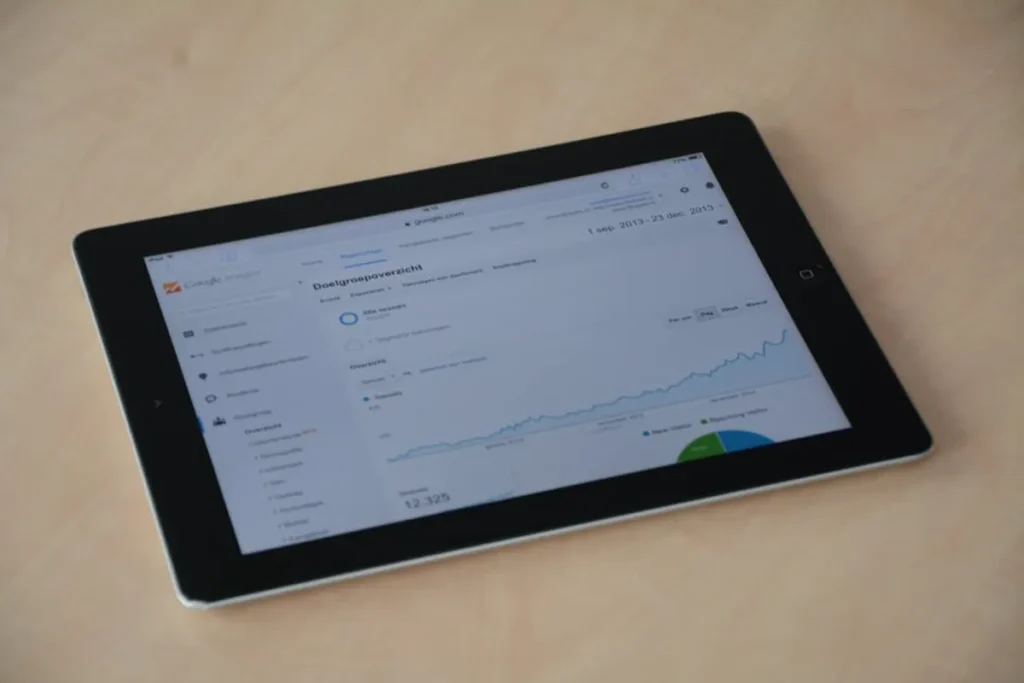
Agencies operate on a fundamental premise: demonstrating tangible value to clients. For SEO services, this often translates directly into measurable improvements in search visibility and organic traffic. Rank tracking, while a core component of SEO, can become a time sink if not managed efficiently, particularly when it comes to client reporting. A disorganized reporting process risks not only internal inefficiency but also client churn due to unclear communication of results or a perceived lack of progress. Establishing a practical, standardized reporting workflow for rank tracking ensures that agencies consistently deliver clear, actionable insights, reinforcing their value proposition and fostering long-term client relationships. Agencies operate on a fundamental premise: demonstrating tangible value to clients, which rank tracking data directly supports.
Establishing Client Reporting Objectives
Before any data is collected or analyzed, agencies must align with clients on what success looks like. This initial step dictates the entire reporting structure and content.
Defining Key Performance Indicators (KPIs)
Generic rank tracking reports often fail to resonate because they don't speak directly to a client's specific business goals. Agencies should collaborate with clients to define a tailored set of KPIs. For instance, a local business might prioritize rankings in specific geo-modified searches and local pack results, while an e-commerce client might focus on non-branded product keywords and their correlation with conversion rates. Key considerations include:
- **Branded vs. Non-Branded Terms:** How much emphasis should be placed on protecting brand search equity versus growing new organic traffic?
- **Targeted Keyword Groups:** Grouping keywords by product category, service line, or sales funnel stage provides granular insights.
- **Local vs. National/International:** Differentiating performance based on geographic targeting is crucial for multi-location businesses or those with specific regional markets.
- **Competitor Benchmarking:** Identifying key competitors and tracking relative rank performance for shared keyword sets.
Report Cadence and Format
The frequency and presentation of reports directly impact their utility. A weekly report might be appropriate for new campaigns or during critical optimization phases, while a monthly or quarterly report might suffice for established projects. The format should also suit the client's preference and technical literacy:
- **PDF Summaries:** Best for executive-level overviews, focusing on high-level trends and strategic takeaways.
- **Interactive Dashboards:** Ideal for clients who want to explore data more deeply, offering real-time or near real-time updates and custom filtering.
- **Email Snippets:** Concise updates for specific, critical metrics, often used in conjunction with more detailed reports.
Data Collection and Integration
Efficient reporting hinges on reliable and automated data collection. Manual processes are prone to error and consume valuable agency resources.
Selecting Rank Tracking Parameters
The accuracy and relevance of rank tracking data depend on the parameters set during initial setup. Agencies need to configure their tracking to mirror the client's target audience and search environment:
- **Keywords:** Include exact match, broad match, and long-tail variations relevant to the client's offerings. Monitor both existing rankings and target keywords for growth.
- **Search Engines & Devices:** Track across primary search engines (e.g., Google, Bing) and differentiate results between desktop and mobile devices, reflecting user behavior.
- **Geographic Locations:** Specify city, state, or country-level tracking to capture localized results accurately, especially for businesses with physical locations.
Automating Data Extraction
Modern rank tracking platforms provide features for scheduled data exports, API access, or direct integrations. Agencies should leverage these capabilities to minimize manual intervention. Integrating rank data with other platforms, such as web analytics or search console data, enriches reports by providing a broader context for rank changes and their impact on traffic and conversions. Integrating rank data with other platforms enriches reports by providing a broader context for rank changes, especially when choosing keywords for rank tracking.
Structuring the Report for Clarity and Actionability
A well-structured report guides the client through the data, highlighting what matters most and what actions can be taken.
Core Components of an Effective Rank Report
While customization is key, certain elements consistently enhance the value of a rank tracking report:
- **Executive Summary:** A concise overview of key performance trends, significant gains or losses, and a brief interpretation of their implications.
- **Overall Visibility Metrics:** Average position across tracked keywords, estimated organic visibility, and share of voice relative to competitors.
- **Keyword Performance Breakdown:**
- Top 5/10/20 ranking changes (gains and losses).
- Keywords entering or exiting target SERP positions (e.g., top 10).
- Performance segmented by branded vs. non-branded terms.
- **Competitor Analysis:** A side-by-side comparison of rank performance for shared keyword sets, indicating competitive shifts.
- **Local vs. Organic Performance:** For local businesses, a clear distinction between local pack rankings and traditional organic results.
Visualizing Data for Impact
Raw data tables can be overwhelming. Visualizations make complex information digestible:
- **Line Graphs:** Effective for showing position trends over time for individual keywords or keyword groups.
- **Bar Charts:** Useful for comparing average positions across different keyword categories or against competitors.
- **Heatmaps:** Can illustrate overall visibility across a large keyword set, highlighting areas of strength and weakness.
- **Color-Coding:** Using green for positive shifts and red for negative shifts provides immediate visual cues.
Interpretation and Strategic Recommendations
The true value of an agency's report lies not just in presenting data, but in interpreting it and translating it into actionable strategies.
Beyond Raw Numbers: Adding Context
Clients need to understand *why* rankings changed. Agencies should correlate rank fluctuations with external factors (e.g., algorithm updates, industry news, competitor actions) and internal actions (e.g., content updates, technical SEO fixes, link building campaigns). This contextualization moves the report beyond a simple data dump to a strategic document.
Crafting Actionable Insights
Every significant data point should lead to a recommendation. Instead of merely stating, "Keyword X dropped 5 positions," an actionable insight would be, "Keyword X dropped 5 positions; our analysis suggests this is due to competitor Y's new content. Recommendation: Update our corresponding page with fresh data and expand its scope to regain competitive edge."
Pro Tip: Always cross-reference significant rank shifts with Google Search Console data and website analytics. A sudden drop in rankings might coincide with an indexing issue or a technical error, not solely a competitive shift. Providing this context prevents misinterpretation and builds client trust.
Client Communication and Feedback Loop
Reporting is a continuous process that benefits from ongoing client engagement.
Presenting the Report
Whether in a scheduled call or via a dedicated dashboard, the presentation should focus on the client's business objectives. Highlight how rank changes impact their bottom line, traffic, or lead generation. Be prepared to answer questions and discuss future strategies based on the report's findings.
Iterating on the Workflow
Client feedback is invaluable. Regularly solicit input on the clarity, utility, and relevance of reports. This iterative process allows agencies to refine KPIs, adjust reporting formats, and ensure that the reporting workflow remains aligned with evolving client goals and market conditions.
Optimizing Your Agency's Reporting Efficiency
A well-defined rank tracking reporting workflow transforms a tedious task into a strategic asset. By standardizing data collection, structuring reports for clarity, and providing actionable interpretations, agencies can save significant time, minimize errors, and consistently demonstrate their value to clients. This systematic approach not only improves client retention but also frees up agency resources to focus on core SEO strategy and execution, ultimately driving better results and fostering growth.
Frequently Asked Questions
How often should rank tracking reports be delivered to clients?
The ideal frequency depends on the client's needs and the pace of their SEO campaign. Weekly reports are useful for new or aggressive campaigns, while monthly or quarterly reports suit more established projects or executive-level overviews. Discuss and agree upon the cadence with each client individually.
What are the most important metrics for agencies to include in rank tracking reports?
Key metrics typically include average position, overall visibility, top keyword gains and losses, keywords entering/exiting target SERP positions, and competitor rank comparisons. Crucially, these should be tied back to the client's specific business KPIs, such as brand visibility or product-specific organic performance.
How can agencies demonstrate ROI from rank tracking?
Demonstrating ROI involves connecting rank improvements to broader business outcomes. This is achieved by integrating rank data with web analytics to show correlations between higher rankings, increased organic traffic, lead generation, and conversions. Contextual explanations of how rank shifts contribute to these outcomes are essential.
Should agencies provide clients with direct access to rank tracking data?
Providing direct access to an interactive dashboard can empower clients and foster transparency. However, it's important to provide guidance on how to interpret the data to prevent misinterpretation. For some clients, a curated PDF summary with expert analysis might be more appropriate.