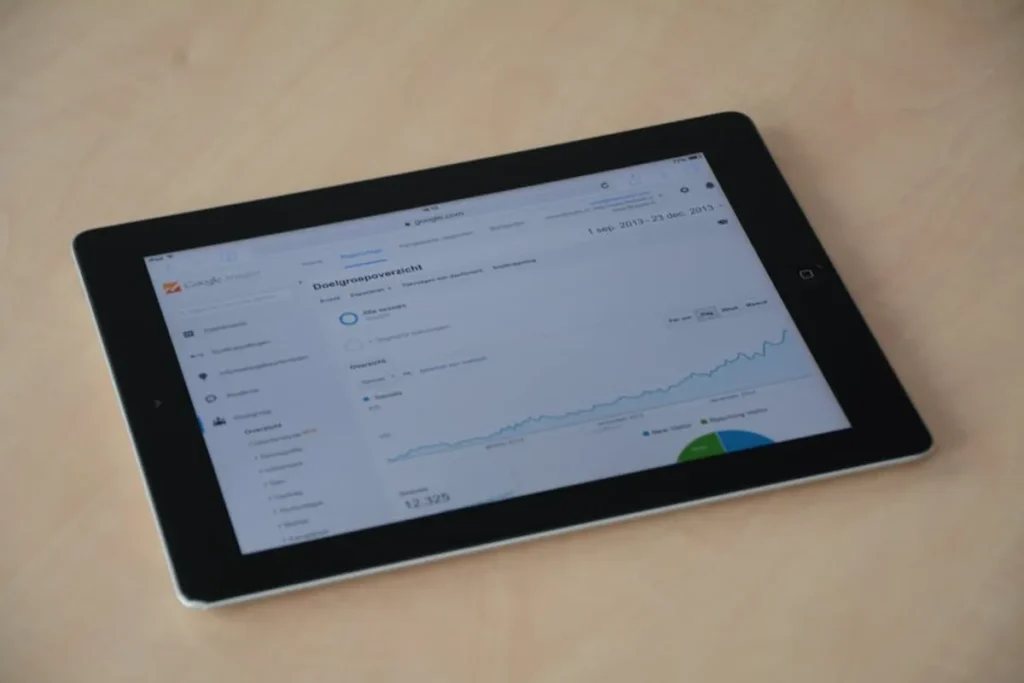
Understanding the raw numbers presented by a keyword position tracker is only the first step toward effective search engine optimization. The true value lies in interpreting that data to inform strategic decisions, identify opportunities, and mitigate risks. Simply observing a rank change without context can lead to misdirected efforts, while a nuanced reading of the data can pinpoint precisely where to invest resources for maximum commercial impact.
Core Metrics in Keyword Tracking
A keyword position tracker provides more than just a single position number. It aggregates several data points that, when viewed together, paint a comprehensive picture of a keyword's performance and potential.
Current Rank and Position History
The current rank indicates your page's standing for a specific keyword at a given moment. However, static rank data offers limited insight. Position history, often visualized as a graph, reveals trends over time. A consistent upward trajectory for a target keyword suggests successful optimization efforts, while a sudden drop warrants immediate investigation into potential algorithm updates, technical issues, or competitor actions.
- Consistent Top 3: Indicates strong authority and relevance; focus shifts to maintaining position and expanding related keyword coverage.
- Fluctuating Ranks: Suggests potential instability or competitive pressure; analyze content quality, backlink profile, and technical health.
- Steady Decline: Requires a comprehensive audit of content, user experience, and off-page factors.
Search Volume and Keyword Difficulty
Search volume quantifies the average monthly searches for a keyword, indicating its traffic potential. High-volume keywords can drive significant organic traffic if ranked well. Keyword difficulty, often a proprietary metric, estimates the effort required to rank competitively for a given term. It considers factors like the authority of current top-ranking pages, the number of backlinks, and content quality.
Commercial Application: Prioritize high-volume, moderate-difficulty keywords where your site has a realistic chance of ranking. A top-ranking position for a keyword with 50,000 monthly searches generates far more commercial value than a top position for a keyword with 50 searches, assuming similar conversion intent.
SERP Features and Visibility Score
The Search Engine Results Page (SERP) is no longer just a list of ten blue links. SERP features include featured snippets, local packs, image carousels, video results, and "People Also Ask" boxes. A keyword position tracker can indicate if your page appears in these features, which often provide enhanced visibility and click-through rates, even if your organic rank is lower. A "visibility score" often aggregates your presence across these features and organic ranks to provide a single metric for overall search presence.
Strategic Insight: Targeting keywords with rich SERP features can be a powerful strategy. For instance, optimizing for a featured snippet often requires specific content formatting (e.g., lists, tables, direct answers) rather than just improving organic rank.
Identifying Ranking Trends and Fluctuations
Raw data points are snapshots; trends provide the narrative. Effective interpretation requires looking beyond individual daily changes.
Analyzing Rank Changes Over Time
Focus on weekly or monthly averages rather than daily fluctuations, which can be normal noise. Significant, sustained changes – either positive or negative – are the ones demanding attention. Compare current performance against previous periods (e.g., month-over-month, quarter-over-quarter, year-over-year) to identify seasonal patterns or long-term shifts in search intent or competition.
Best for: Identifying the impact of recent SEO campaigns, content updates, or technical fixes. A sustained 5-position increase for a core keyword after a content refresh confirms the strategy's efficacy.
Spotting Volatility and Algorithm Updates
Unusual rank volatility across a broad set of keywords, particularly those unrelated by topic or page, often signals a major search engine algorithm update. Trackers that monitor industry-wide volatility can help distinguish between site-specific issues and broader search landscape changes. If your site's ranks fluctuate wildly while competitors remain stable, the issue is likely internal.
Pro Tip: Do not overreact to minor daily rank shifts. Search engine results are dynamic. Focus on sustained trends over a week or more. A page dropping from #2 to #4 one day and returning to #2 the next is typically normal SERP flux, not a crisis requiring immediate action.
Connecting Ranks to Business Outcomes
Ranking data is a means to an end: driving traffic, leads, and sales. Its interpretation must always link back to commercial objectives.
Traffic and Conversion Correlation
A high rank for a keyword is valuable only if it translates into qualified traffic and, ultimately, conversions. Cross-reference keyword ranking data with analytics platforms to see which keywords are actually driving visits, time on page, bounce rate, and conversion actions (e.g., form submissions, purchases). A keyword ranking #1 might be commercially useless if it attracts irrelevant users who immediately leave the site.
Practical Application: Identify "sweet spot" keywords that rank well *and* contribute meaningfully to your bottom line. These are your most valuable assets, warranting continuous monitoring and protection.
Competitive Landscape Analysis
A position tracker often allows you to monitor competitor rankings for your target keywords. This provides crucial context. If your rank drops but all competitors also drop, it might indicate an algorithm change affecting the entire niche. If your rank drops while a specific competitor rises, it points to their recent optimization efforts as a potential cause. This insight informs competitive content strategies and backlink acquisition.
Use Case: If a competitor suddenly overtakes you for a high-value keyword, analyze their page for that term. Look for new content, updated schema, improved user experience, or recent backlinks. This provides a roadmap for your own response.
Actionable Insights from Ranking Data
The ultimate goal of reading ranking data is to extract actionable steps that improve performance.
Content Optimization Opportunities
Pages ranking on the second page (positions 11-20) or at the bottom of the first page (positions 7-10) for high-volume keywords represent prime optimization targets. A small improvement in rank for these terms can yield significant traffic gains. Review these pages for:
- Keyword integration and semantic relevance.
- Content freshness and comprehensiveness.
- User experience (readability, page speed, mobile-friendliness).
- Internal linking structure.
Conversely, identify pages ranking well for irrelevant keywords. This suggests a content misalignment that could be refined to target more commercially valuable terms or to redirect traffic more effectively.
Technical SEO and User Experience Checks
A sudden, widespread drop in rankings across multiple pages or keywords often points to a technical issue rather than a content problem. This could include:
- Crawlability or indexability issues (e.g., robots.txt changes, noindex tags).
- Core Web Vitals degradation (e.g., slow loading times, layout shifts).
- Mobile usability problems.
- Server response errors.
Similarly, if a page ranks well but has a high bounce rate or low time on page, it suggests a user experience issue that needs addressing, even if the SEO metrics appear positive.
Transforming Data into Growth
Reading keyword ranking data effectively means moving beyond simple numbers to understand trends, competitive dynamics, and user behavior. It requires cross-referencing with analytics, staying informed about search engine updates, and maintaining a clear focus on how each data point contributes to your commercial objectives. By adopting a holistic and analytical approach, you transform raw ranking data into a powerful engine for continuous organic growth and sustained market advantage.
Frequently Asked Questions
How often should I check my keyword rankings?
For most businesses, daily checks are excessive and can lead to overreaction to normal fluctuations. Weekly or bi-weekly checks provide a more stable view of trends, while monthly or quarterly deep dives are suitable for strategic planning and reporting. High-stakes campaigns or post-update monitoring might warrant more frequent observation.
What is considered a "good" keyword rank?
A "good" rank is subjective and depends on the keyword's search volume, difficulty, and commercial intent. Generally, positions 1-3 receive the majority of clicks and are considered excellent. Positions 4-10 are still valuable, while anything beyond page one (position 11+) typically yields minimal organic traffic. The goal should be to rank as high as possible for commercially relevant terms.
Why do my keyword rankings fluctuate so much?
Rank fluctuations are normal and can be caused by various factors: search engine algorithm updates, new content from competitors, changes in user search intent, personalization of search results, or technical issues on your site. Consistently high volatility across many keywords might indicate a broader problem or algorithm impact, while isolated fluctuations are often standard SERP dynamics.
How can I use ranking data to improve my content strategy?
Analyze keywords where your pages rank 4-10 (first-page opportunities) or 11-20 (second-page potential). For these, identify content gaps, improve comprehensiveness, add fresh information, optimize for featured snippets, and enhance user experience. For keywords where you rank well but traffic is low, consider refining the content to better match user intent or targeting more commercially valuable synonyms.