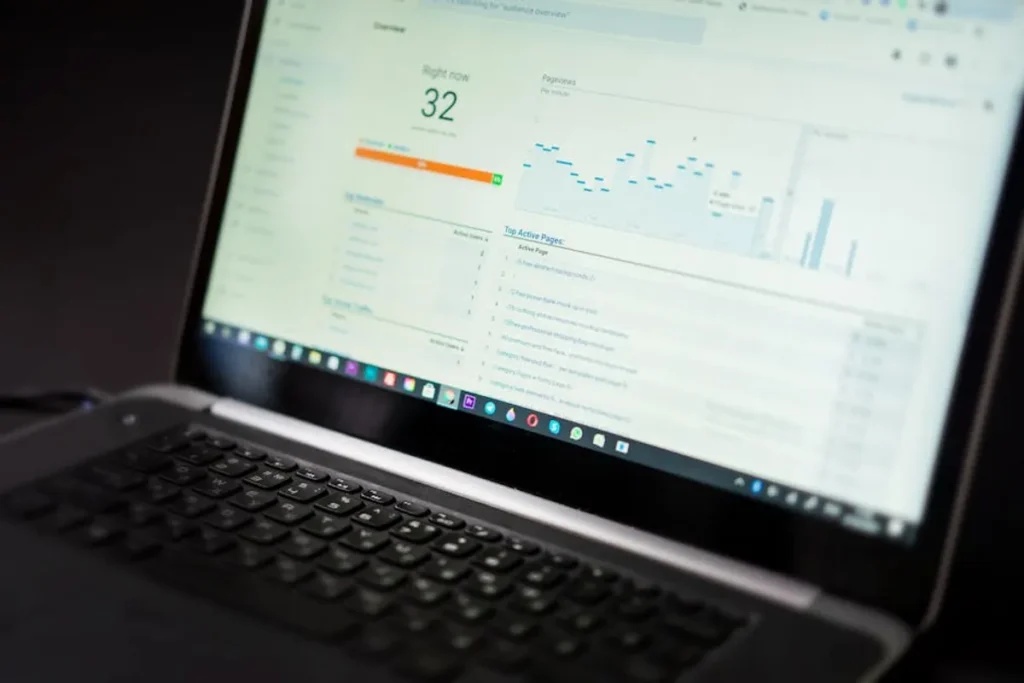
Monitoring search engine visibility is fundamental for any digital marketing effort. A keyword rank tracker that updates Google rankings daily provides a granular, real-time view crucial for informed decision-making. This daily cadence moves beyond periodic checks, offering immediate feedback on SEO adjustments, content performance, and competitive shifts, which is essential for agile strategy execution in a dynamic search landscape. The distinction between daily tracking and less frequent updates lies in the ability to react swiftly, identify transient opportunities, and mitigate potential issues before they escalate. Understanding the distinction between daily tracking versus less frequent updates is key to optimizing your SEO efforts.
Understanding Daily Rank Tracking
Daily rank tracking involves systematically checking and recording the organic search positions of target keywords on Google, typically for specific geographic locations and device types. Unlike weekly or monthly reports, daily updates capture the micro-fluctuations that can signal significant trends or immediate impacts from algorithm changes, content deployments, or competitor actions. This frequency is not merely about more data; it's about fresher, more actionable data that reduces latency between event and insight. For SEO professionals, this means moving from reactive responses to proactive strategy adjustments.
Best for: Agencies managing multiple client portfolios, in-house SEO teams in competitive niches, and publishers relying on timely content performance metrics.
Why Daily Data Drives Better Decisions
The continuous stream of ranking data empowers marketers and site owners to make more precise, timely strategic choices. This precision translates directly into improved campaign performance and resource allocation.
Granular Performance Insights
Daily tracking provides a detailed timeline of how specific keywords perform immediately after content updates, link building efforts, or technical SEO changes. If a new piece of content targets a specific keyword cluster, daily tracking reveals its initial ranking trajectory, allowing for rapid optimization if it underperforms or quick scaling if it shows promise. This level of detail helps attribute ranking shifts to specific actions, validating SEO tactics and refining future strategies. Without daily data, the impact of these changes could be masked by longer reporting cycles, delaying crucial interventions.
Early Detection of SERP Shifts
Google's algorithms are in constant flux, with minor and major updates occurring regularly. Daily rank tracking serves as an early warning system for algorithm shifts that might impact your site. Sudden, widespread drops or gains across multiple keywords can indicate an algorithmic change, prompting immediate investigation. Conversely, if only a few keywords are affected, it points to a more localized issue, perhaps related to content quality or specific competitive movements. This immediate feedback loop is critical for maintaining consistent organic visibility and preventing prolonged traffic dips.
Competitive Landscape Monitoring
Understanding where competitors rank for shared keywords is a cornerstone of competitive analysis. Daily rank tracking provides up-to-the-minute intelligence on competitor movements, including their new content, link acquisition impact, or technical optimizations. If a competitor suddenly gains significant ground for a high-value keyword, daily tracking flags this immediately, allowing your team to analyze their strategy and formulate a counter-response without delay. This continuous monitoring helps identify market opportunities and competitive threats that might otherwise go unnoticed until it's too late to react effectively. This continuous monitoring helps identify market opportunities and competitive threats that might otherwise go unnoticed until you track keyword rankings across hundreds.
Key Considerations for Choosing a Rank Tracker
When evaluating solutions for daily Google rank tracking, several factors dictate the utility and value delivered to your SEO operations.
- Accuracy and Update Frequency: Verify that the tracker consistently provides accurate, up-to-date rankings, ideally refreshed every 24 hours. Data integrity is paramount; inaccurate data leads to flawed decisions.
- Geographic and Device Specificity: Ensure the tool can track rankings for specific countries, regions, cities, and even postal codes, as well as differentiate between mobile and desktop results. Local SEO and mobile-first indexing necessitate this granular targeting.
- SERP Feature Tracking: A robust tracker should identify and report on various SERP features, such as featured snippets, local packs, image carousels, and video results. Ranking in these positions often drives more clicks than traditional organic listings.
- Historical Data Retention: Access to historical ranking data is crucial for trend analysis and demonstrating long-term performance. Confirm the tool retains data for an extended period, typically several years.
- Reporting and Visualization: Look for customizable dashboards, white-label reporting options, and clear data visualization to present insights effectively to clients or stakeholders. The ability to segment data by keyword groups, landing pages, or tags enhances analysis.
- API and Integration Capabilities: For larger operations or agencies, API access allows for seamless integration with other marketing platforms, data warehouses, or custom reporting solutions, automating workflows and consolidating data.
Pro Tip: Do not just track rankings; track the right rankings. Focus on keywords with commercial intent, those driving qualified traffic, and those where your site has a realistic chance of ranking. Prioritize tracking for specific geographic locations and device types that align with your target audience to ensure the data is truly representative and actionable.
Implementing Daily Tracking for Actionable SEO
Effective daily rank tracking goes beyond simply logging numbers; it involves integrating the data into your daily SEO workflow to drive tangible results.
Begin by segmenting your keywords into logical groups, such as by product category, content type, or target audience. This allows for focused analysis and prevents being overwhelmed by raw data. Set up alerts for significant ranking changes (e.g., a 5+ position drop or gain) to receive immediate notifications, enabling prompt investigation. Use the daily data to correlate ranking shifts with specific on-page optimizations, new backlinks acquired, or competitor content launches. This correlation helps validate the effectiveness of your SEO campaigns and informs future strategy adjustments. For instance, if a newly optimized page shows a consistent upward trend for its target keywords within days, it indicates successful execution and validates the optimization strategy. Conversely, a sudden dip for a critical keyword might prompt an immediate technical audit or a review of competitor activity.
Optimizing Your Rank Tracking Strategy
To maximize the value from daily rank tracking, regularly review and refine your tracked keyword list. Remove keywords that no longer align with your business objectives or those that consistently fail to generate traffic despite ranking well. Add new keywords identified through competitive analysis, keyword research, or emerging market trends. Ensure your tracking parameters (location, device) accurately reflect your target audience. Leverage the historical data to identify seasonal trends or long-term performance patterns, which can inform content calendars and campaign timing. Integrate rank tracking data with analytics platforms to connect ranking changes directly to traffic, conversions, and revenue, demonstrating the true ROI of your SEO efforts.
Frequently Asked Questions
What is the primary benefit of daily keyword rank tracking over weekly tracking?
The primary benefit is the ability to detect and react to ranking fluctuations, algorithm updates, and competitive movements almost immediately, allowing for faster strategic adjustments and minimizing potential negative impacts on organic visibility.
How many keywords should I track daily?
The ideal number of keywords to track daily depends on your budget, the size of your website, and the competitiveness of your niche. Start with your most critical, high-volume, and high-intent keywords, then expand to include important long-tail variations and competitor keywords as needed.
Can daily rank tracking help identify Google algorithm updates?
Yes, significant, widespread ranking shifts across a broad set of keywords, particularly those not tied to specific on-site changes, can often be an early indicator of a Google algorithm update. Daily tracking provides the necessary granularity to spot these patterns quickly.
Is daily rank tracking necessary for every business?
While highly beneficial for most, it is especially critical for businesses in competitive industries, those with frequently updated content, e-commerce sites, and agencies managing multiple clients where real-time performance insights are essential for maintaining a competitive edge and demonstrating value.