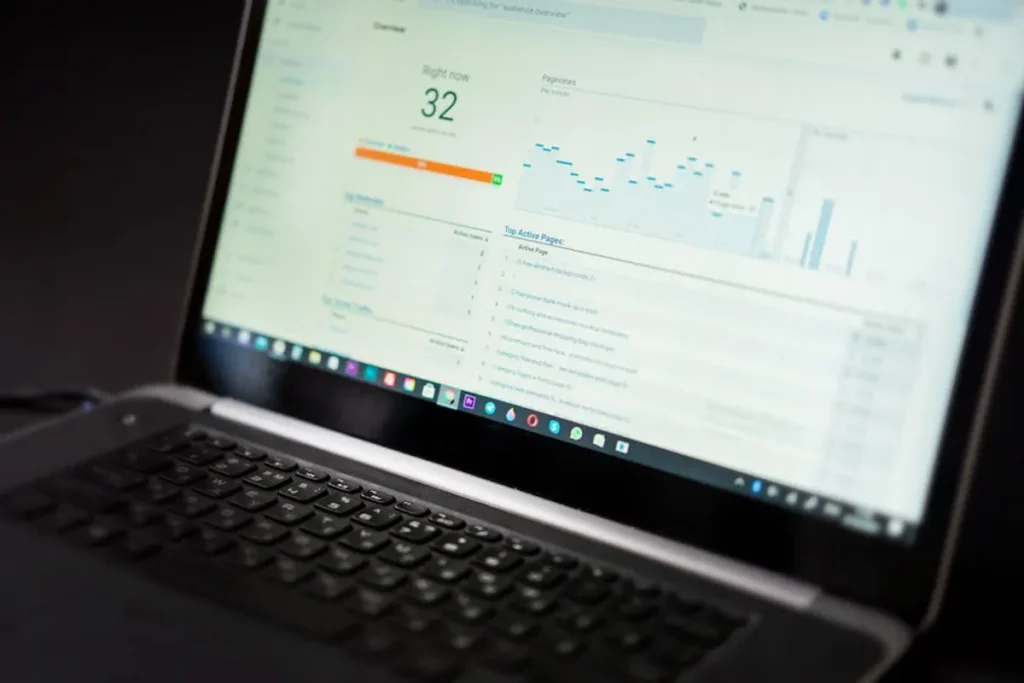
For any SEO team, understanding how target keywords perform in search results is not merely a reporting exercise; it is the fundamental feedback loop that validates strategy, identifies opportunities, and flags issues. Keyword rank tracking provides the empirical data necessary to move beyond assumptions, offering a clear, quantifiable measure of a site's visibility for specific queries. This guide outlines the commercial imperatives and practical applications of rank tracking, detailing how SEO teams can leverage this data to drive measurable results and inform broader digital marketing efforts. This process is best managed with a dedicated keyword ranking tracker for daily SERP position tracking.
Understanding Keyword Rank Tracking Fundamentals
At its core, keyword rank tracking monitors a website's position in search engine results pages (SERPs) for a predefined set of keywords. This process records daily, weekly, or monthly changes, providing a historical record of performance. However, modern rank tracking extends far beyond simple position monitoring. It encompasses a granular view of SERP real estate, including featured snippets, local packs, image carousels, and video results, all of which impact actual user visibility and click-through rates, often more significantly than organic position alone.
Why Rank Data is Indispensable for SEO Teams
The value of consistent rank tracking for SEO teams is multifaceted, touching every aspect of a search strategy:
- Performance Measurement: It provides a direct, quantifiable metric for SEO campaign success. Tracking average position, visibility score, or estimated traffic share for target keywords allows teams to attribute changes in organic traffic to specific SEO initiatives, such as content updates, technical optimizations, or link building.
- Competitive Intelligence: By tracking competitor rankings for the same keyword sets, teams gain insight into their rivals' organic performance. This allows for benchmarking, identifying gaps in content strategy, and understanding shifts in market share within the SERPs.
- Content Strategy Validation: Rank data confirms whether new content is achieving its intended visibility. If a piece of content targeting a specific keyword fails to rank or drops unexpectedly, it signals a need for optimization, expansion, or a re-evaluation of the keyword's competitive landscape.
- Early Issue Detection: Sudden drops in keyword rankings across a segment of pages or the entire site can indicate technical SEO problems (e.g., crawl issues, indexation problems, core web vitals degradation), algorithm updates, or manual penalties. Prompt identification allows for quicker diagnosis and remediation.
- Reporting and Client Communication: Clear, trended rank data is a tangible deliverable for stakeholders and clients. It translates complex SEO work into understandable progress, demonstrating ROI and justifying continued investment in SEO efforts.
Key Features of Advanced Rank Tracking Solutions
Modern keyword rank tracking platforms offer a suite of features designed to provide actionable insights, not just raw data. When evaluating solutions, SEO teams should prioritize capabilities that align with their operational needs and strategic goals.
Granular Data Collection: Effective rank tracking provides positions for specific search engines (e.g., Google, Bing), geographic locations (city, state, country), device types (desktop, mobile, tablet), and language settings. This level of detail is crucial for local SEO, international SEO, and understanding mobile-first indexing impacts.
SERP Feature Tracking: Beyond standard organic positions, a robust solution monitors and reports on visibility within various SERP features. This includes featured snippets, People Also Ask boxes, local packs, image carousels, video results, and shopping results. Understanding these opportunities helps tailor content to win specific SERP real estate.
Competitor Monitoring: The ability to track multiple competitors for the same keyword sets is fundamental. This allows teams to compare their own performance against rivals, identify their top-performing content, and analyze their visibility share.
Historical Data Retention: Long-term data storage is critical for analyzing trends, seasonality, and the impact of algorithm updates or major site changes. A solution should offer sufficient historical data to support year-over-year comparisons and long-term strategic planning.
Alerts and Notifications: Automated alerts for significant rank drops or gains (e.g., a top 10 keyword falling out of the top 20) ensure that teams can react quickly to critical changes without manually checking reports daily.
Reporting and Dashboards: Customizable reports and intuitive dashboards are essential for visualizing data, identifying trends, and communicating performance to diverse audiences. Look for options to segment data, create branded reports, and integrate with other analytics platforms.
Integration Capabilities: Seamless integration with other SEO tools, such as Google Search Console for impression and click data, or Google Analytics for traffic and conversion metrics, enriches rank data with real-world user behavior, providing a more complete picture of keyword performance. Combining these data points allows SEO professionals to truly monitor keyword positions accurately.
Pro Tip: When selecting a rank tracking solution, prioritize platforms that offer API access. This enables custom data integrations, allows for the creation of bespoke dashboards, and facilitates the incorporation of rank data into larger business intelligence systems, transforming raw positions into truly actionable business insights tailored to your specific reporting needs.
Integrating Rank Tracking into Your SEO Workflow
Effective rank tracking is not a standalone activity but an integral part of the SEO lifecycle. It should inform keyword research, content creation, technical audits, and reporting.
Keyword Selection and Grouping: Begin by identifying your most important keywords, including head terms, mid-tail, and long-tail phrases. Group these keywords by topic, intent, or target page to facilitate more meaningful analysis. Ensure you track keywords that directly align with commercial goals and those that indicate informational intent.
Baseline Establishment: Before launching new campaigns or making significant site changes, establish a baseline of current rankings. This allows for accurate measurement of impact post-implementation.
Regular Monitoring and Analysis: Review rank data regularly. Look beyond simple position numbers to analyze trends, competitor movements, and SERP feature changes. Identify keywords showing upward momentum for further optimization, and those declining for immediate investigation.
Connecting Ranks to Actions:
- If a key product page keyword drops, investigate potential technical issues, content decay, or new competitor activity.
- If a new blog post ranks well for a long-tail query, consider expanding the content or building internal links to it.
- If a featured snippet is gained or lost, analyze the content structure and competition to understand why.
- If a local business keyword shows low local pack visibility, review Google Business Profile optimization.
Strategic Applications of Rank Tracking Data
Beyond basic reporting, rank tracking data informs strategic decisions that directly impact business outcomes. It helps identify content gaps, validate market demand, and even predict potential revenue shifts.
By correlating ranking fluctuations with traffic and conversion data, SEO teams can quantify the financial impact of position changes. For instance, understanding that a drop from position 3 to 7 for a high-volume, high-intent keyword results in a specific revenue loss can justify immediate resource allocation for remediation. Conversely, a gain from position 15 to 8 for another keyword can highlight a new growth opportunity worth investing in further content or link building. This data-driven approach moves SEO conversations from "we need to rank higher" to "improving rank for X keyword will generate Y revenue."
Frequently Asked Questions
How often should I check keyword rankings?
For critical keywords and active campaigns, daily tracking is ideal to catch immediate shifts. For broader keyword sets or less volatile niches, weekly or bi-weekly checks can suffice, focusing on trends rather than daily fluctuations.
Can rank tracking predict traffic?
While rank tracking provides visibility data, it doesn't directly predict traffic or conversions. It must be combined with impression and click-through rate (CTR) data from tools like Google Search Console, and traffic/conversion data from Google Analytics, to estimate potential organic traffic and revenue.
What is a "good" ranking?
A "good" ranking depends on the keyword's intent, competition, and SERP features. For transactional keywords, positions 1-3 are often critical. For informational queries, securing a featured snippet or top 10 position can be highly valuable even if not position 1. The goal is maximum relevant visibility, not just the absolute highest rank.
How do I handle rank fluctuations?
Minor daily fluctuations are normal due to algorithm changes, personalization, and data collection variations. Focus on trends over time. Significant drops or gains warrant investigation into recent site changes, algorithm updates, or competitive activity.